Tag: Choice

  • Is there such a thing as a Free Lunch?

    This is an long time question given to Economics students to see if they understand the difference between an “economic good” and a “free good”.

    As previously discussed in the post The Economic Problem, economics is concerned with choice because our wants are unlimited and our resources are limited.

    As soon as a resource is limited in quantity it becomes an economic resource. If there is no limit on the quantity of a resource then it is not considered to be an economic good.
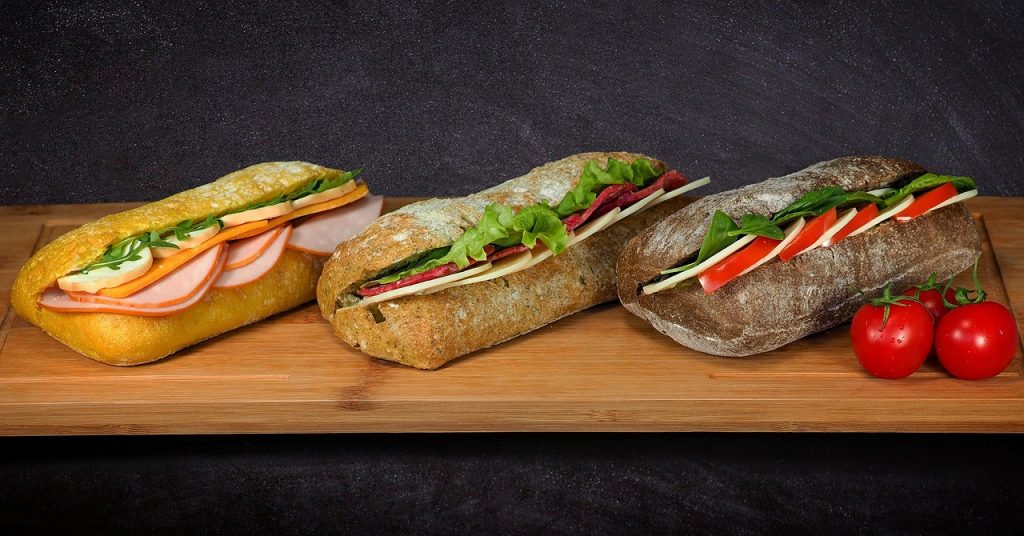
    Is there such a thing as a free lunch?

    So is a free lunch free?

    In economics, scarce resources have been used to provide that lunch, the raw ingredients that went into it, the kitchen to prepare it in, the labour to prepare it.

    All of these will have had alternative uses. In simplistic terms they could have been used to make someone else’s lunch.

    The lunch is therefore not free. It may be provided at zero price or cost to you, but its not free.

    Key Terms

    Economic goodA good that uses scarce resources in its production and therefore has an opportunity cost.
    Free goodA good that does NOT use scarce resources in its production and therefore has NO opportunity cost.
    The economic problemThere are unlimited wants and limited resources causing scarcity. The problem is therefore how to allocate scarce resources among alternative uses.
    ScarcityLimited or finite resources, insufficient to meet wants.  
    ChoiceChoosing between alternatives when making a decision.  
    Stream
    Stream

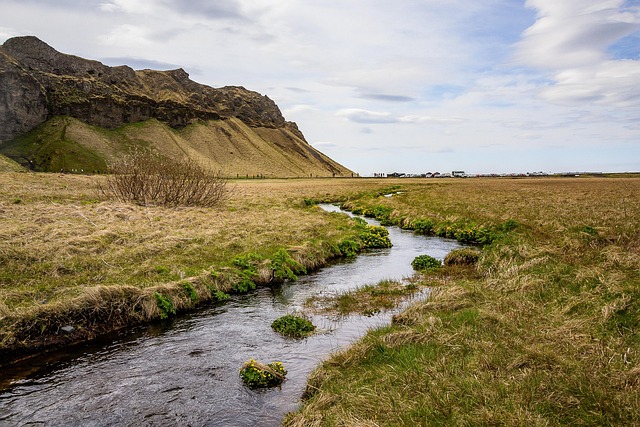
    An Old Lady living in the Scottish Highlands is connected to mains water for the first time in her life. All her water needs have been provided by a local spring.

    A month later she receives her first bill from the water company. Outraged she sends them a letter that she is not paying the bill. She explains that water is a free gift of nature.

    How would you reply?

  • The Economic Problem

    In simplistic terms the Economic Problem is that we always want more than we have the resources for.

    Our wants are unlimited and our resources are limited. In other words there is scarcity of the things that we want either as individuals, businesses or nations.

    As the result of scarcity we have to make choices.

    Scientists suggest that in traditional societies that humans had to make 2,500 decisions per day. Today we make about 35,000 decisions per day.

    I wonder how many you have made already today?

    From an economic perspective, when we make those choices, we are trying to ensure that we are making the best use of the scarce resources available to us.

    As an individual, would a bowl of cereal or a bowl of fruit be a better choice of breakfast.

    For a business, should they buy employ staff or install self serve kiosks.

    For a nation, allow individuals to keep all their income and allow them to choose where to spend it or tax their income and spend it on their behalf.

    In summary.

    The Economic Problem is the problem of scarcity, where unlimited human wants exceed the limited resources available to satisfy them.

  • What Is Economics All About?

    You will get many definitions explaining what Economics is all about.

    The key point about Economics in my opinion is that it is the study of choice.

    We live in a world where there are unlimited wants and limited resources. In essence this explains almost everything that you read or hear in the news.

    Due to this fact we constantly have to make choices about what wants we want to fulfil with our limited resources.

    Many people will tell you that Economics is all about money. However this is not strictly true. Money is what is called a medium of exchange, it allows us to swap the goods and services that we are individuals create for those created by others.

    This leads us to general meaning of the word Economics, that it is

    • of or relating to the science of economics
    • using the minimum of time or resources necessary for effectiveness
    • financially rewarding

    The price that we pay with the money we have reflects the relationship between the changing want and / or the changing amount of the resource of a good or service.

    As I write (Sept 2026), the price of oil is rising. In this case the amount of the resource is being restricted because of unrest that is influencing the flow of oil through the Strait of Hormuz and the Bab al-Mandab Strait.

    When prices rise, two things happen. People will make a choice to try to supply more of the good or service due to the price being higher and in theory there is more profit to be made.

    People will make a choice to demand the same amount of the good or service or less of good or service because when prices rise if they continue to buy the same amount, then they will have to choose to less to spend of other goods and services.

    A typical comment from a student in class to a request they are not keen on, will be:

    “I don’t have a choice, do I?”

    Yes they do, everyone has a choice, it’s just that they might not like the choice that they are being given.

    Lionel Robbins, the British Economist wrote:

    “”Economics is the science which studies human behaviour as a relationship between ends and scarce means which have alternative uses.”