This is an long time question given to Economics students to see if they understand the difference between an “economic good” and a “free good”.
As previously discussed in the post The Economic Problem, economics is concerned with choice because our wants are unlimited and our resources are limited.
As soon as a resource is limited in quantity it becomes an economic resource. If there is no limit on the quantity of a resource then it is not considered to be an economic good.
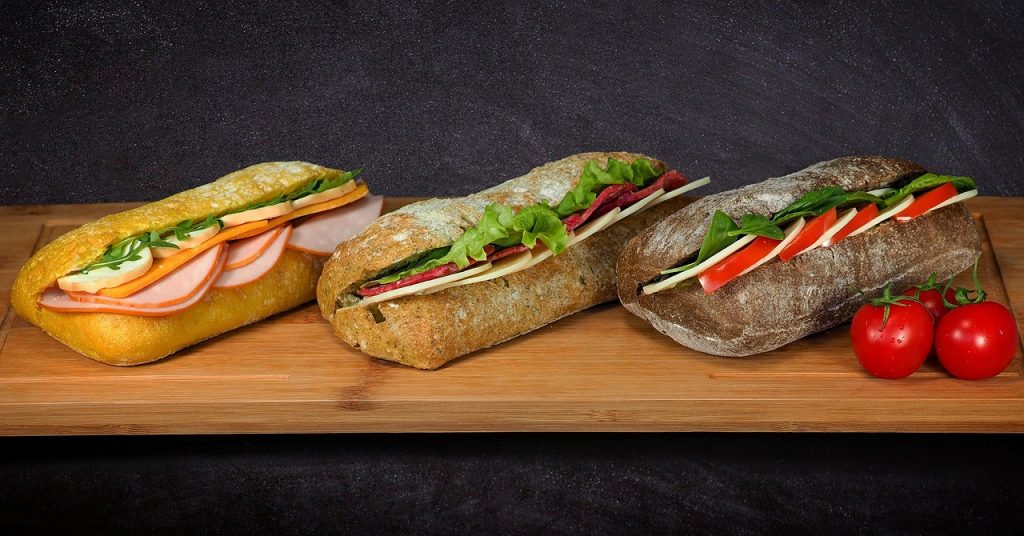
So is a free lunch free?
In economics, scarce resources have been used to provide that lunch, the raw ingredients that went into it, the kitchen to prepare it in, the labour to prepare it.
All of these will have had alternative uses. In simplistic terms they could have been used to make someone else’s lunch.
The lunch is therefore not free. It may be provided at zero price or cost to you, but its not free.
Key Terms
| Economic good | A good that uses scarce resources in its production and therefore has an opportunity cost. |
| Free good | A good that does NOT use scarce resources in its production and therefore has NO opportunity cost. |
| The economic problem | There are unlimited wants and limited resources causing scarcity. The problem is therefore how to allocate scarce resources among alternative uses. |
| Scarcity | Limited or finite resources, insufficient to meet wants. |
| Choice | Choosing between alternatives when making a decision. |
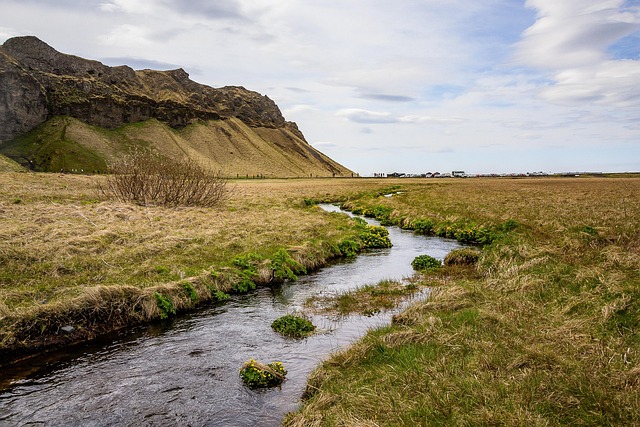
An Old Lady living in the Scottish Highlands is connected to mains water for the first time in her life. All her water needs have been provided by a local spring.
A month later she receives her first bill from the water company. Outraged she sends them a letter that she is not paying the bill. She explains that water is a free gift of nature.
How would you reply?
Leave a Reply